
Family Wealth Planning: 10 Powerful Steps to Avoid Drama 2025
Why Most Wealthy Families Lose Everything Within Three Generations
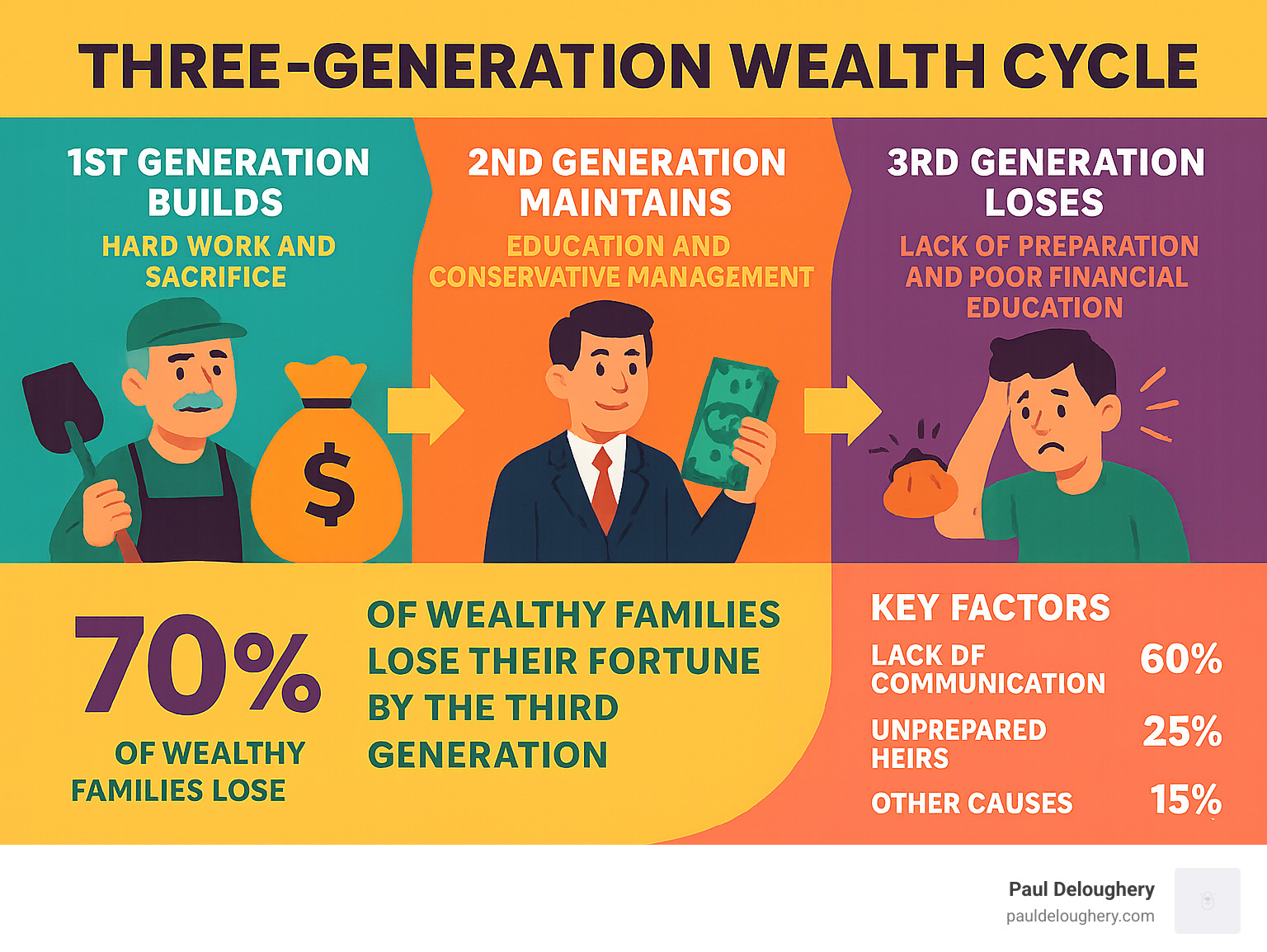
Family wealth planning is your roadmap to preserving wealth and values across generations – but here’s the shocking truth: 70% of wealthy families lose their fortune by the third generation.
What Family Wealth Planning Includes:
- Estate planning tools – wills, trusts, powers of attorney
- Tax optimization strategies – gift planning, dynasty trusts, charitable giving
- Family governance – mission statements, regular meetings, heir education
- Asset protection – insurance, legal structures, risk management
- Succession planning – business transitions, leadership development
- Communication frameworks – conflict resolution, decision-making processes
The numbers tell a sobering story. An estimated 72% of American households lack a proper financial plan, while $68 trillion is expected to transfer from baby boomers to younger generations over the next 25 years. When rail magnate Cornelius Vanderbilt died in 1877, he left $100 million – yet less than half survived 50 years later.
The current estate and gift tax exemptions are set to sunset at the end of 2025, likely reducing the exemption from approximately $14 million per person to around $7 million. Thoughtful planning today can yield significant benefits for tomorrow.
I’m Paul Deloughery, an attorney with 25 years of experience helping families steer family wealth planning challenges and protect their legacies for generations. My hands-on approach cuts through legal jargon to provide real-world solutions that prevent the “shirtsleeves to shirtsleeves in three generations” phenomenon.
What Is Family Wealth Planning & Why It Matters
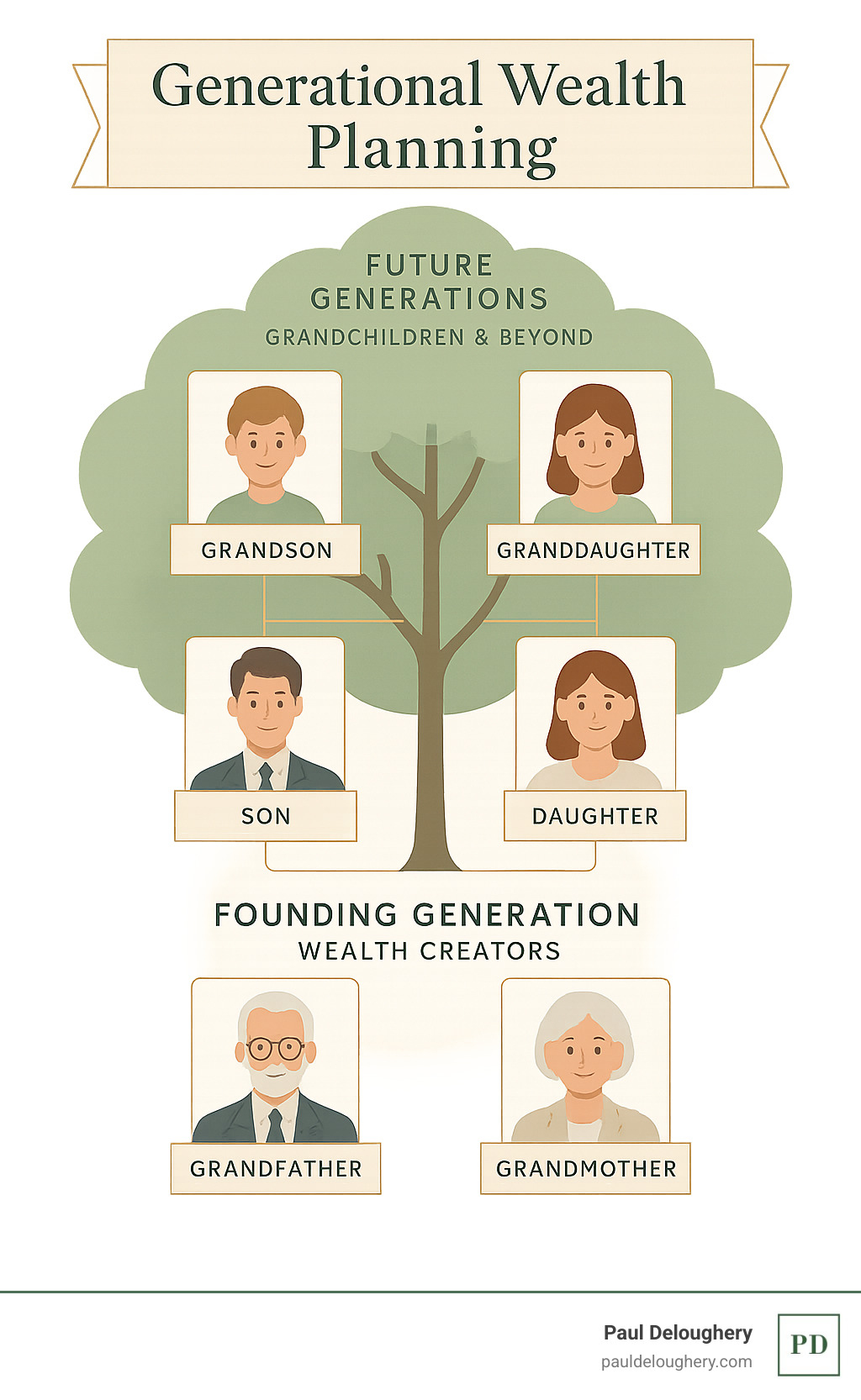
Family wealth planning goes far beyond managing investments or writing a will. It’s a comprehensive approach that weaves together financial strategy, family governance, and values-based education. The goal isn’t just to transfer wealth – it’s to transfer wisdom, purpose, and the tools your family needs to thrive across generations.
This holistic approach recognizes that your human capital – the skills, knowledge, and character of family members – often matters more than any bank account. Your social connections, family reputation, and shared values are equally important parts of your legacy.
We’re witnessing the largest wealth transfer in human history, with $68 trillion moving from baby boomers to younger generations over the next 25 years. Generational differences in communication styles, technology comfort, and financial priorities can create misunderstandings that threaten family harmony.
The famous “shirtsleeves to shirtsleeves” proverb captures this challenge perfectly. The first generation builds wealth through hard work and sacrifice. The second generation grows up with privilege but still remembers humble beginnings. The third generation, born into wealth, often lacks the hunger and skills that created the fortune.
Families that accept true stewardship – viewing themselves as caretakers rather than owners of wealth – consistently break the three-generation pattern.
The High Cost of “No Plan”
Without proper planning, probate fees can devour 3-7% of your estate’s value while making your family’s financial affairs a public record. Tax erosion presents an even bigger threat, with federal and state taxes claiming 40% or more of your estate without strategic planning.
The most devastating cost isn’t financial – it’s family conflict. When families haven’t discussed wealth transfer plans openly, inheritance becomes a minefield that destroys relationships in ways money can never repair.
Family Wealth Planning vs. Estate Planning
Estate planning asks: “Who gets what when I die? How do we minimize taxes?” Family wealth planning digs deeper: “What kind of people do we want our children to become? How do we prepare them for wealth responsibility? What legacy do we want beyond money?”
Estate planning transfers assets, but family wealth planning transfers wisdom. One focuses on the wealth, the other focuses on the family that will carry that wealth forward.
Core Components of a Successful Plan
Building a solid family wealth planning strategy requires multiple layers of protection working together – legal documents, smart investments, and safeguards against the unexpected. The foundation starts with essential estate planning tools like wills and trusts, but extends to thoughtful asset allocation strategies, comprehensive risk management, and plans for liquidity needs.
| Estate Planning Tool | Primary Purpose | Best For | Duration |
|---|---|---|---|
| Will | Direct asset distribution after death | Basic estates, naming guardians | Until death |
| Revocable Trust | Avoid probate, manage incapacity | Privacy, control during lifetime | Lifetime + distribution period |
| Dynasty Trust | Multi-generational wealth transfer | Large estates, tax minimization | Centuries (depending on state law) |
Legal & Financial Foundations of Family Wealth Planning
Your will directs asset distribution and names guardians for children, but if you only have a will, your family faces probate court with public records, delays, and unnecessary expenses.
Trusts offer better options. A revocable living trust lets you avoid probate entirely while keeping full control during your lifetime. For larger estates, dynasty trusts can transfer wealth across multiple generations while minimizing taxes.
Don’t overlook powers of attorney and healthcare directives. These ensure someone you trust can step in if you become unable to make decisions.
For detailed guidance on getting these essential documents in place, check out our comprehensive Estate Planning Services.
Investment & Cash-Flow Blueprint
Preserving wealth across generations requires investment strategies that think decades ahead. This means looking beyond traditional stocks and bonds to include real estate, private business interests, and alternative investments.
Illiquid assets like family businesses create special challenges – huge value on paper but cash flow headaches for estate taxes or inheritances. Many successful families maintain significant cash reserves so they never disrupt long-term investment strategies.
Protection & Contingency Planning
Life insurance becomes a tool for paying estate taxes and equalizing inheritances. Long-term care insurance protects against healthcare costs that could devastate your estate. Umbrella liability insurance becomes essential as your net worth increases.
Consider appointing a corporate trustee for complex trusts to bring expertise, objectivity, and continuity that family trustees might lack.
Preparing Heirs & Building Family Governance

Family wealth planning isn’t just about money – it’s about raising kids who won’t blow through everything you’ve built. The most brilliant legal structures become worthless if your children aren’t ready to handle wealth responsibly.
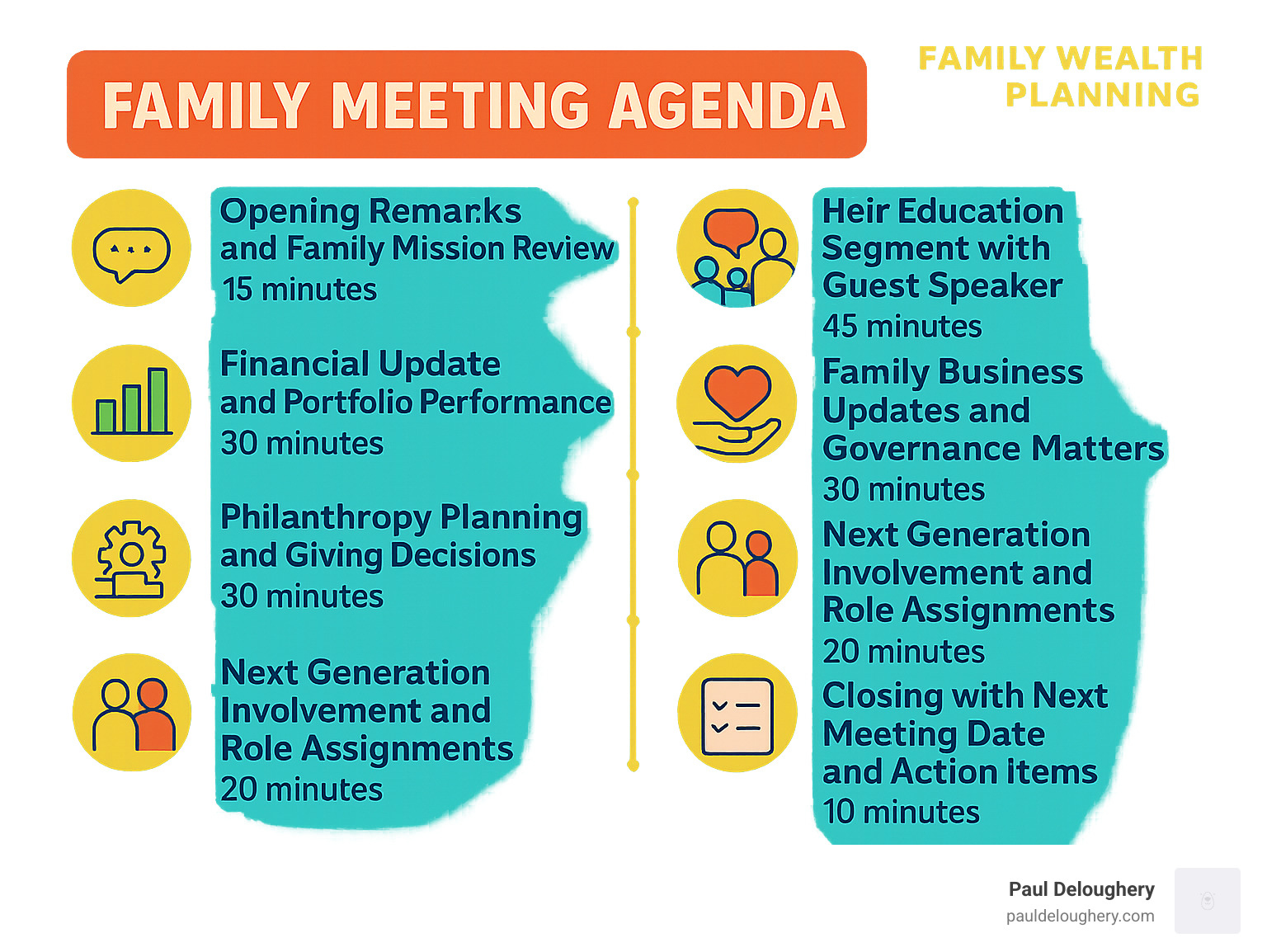
The families that break the three-generation wealth curse create learning mindsets where financial education becomes as important as any other life skill. They hold regular family meetings with actual agendas, not just casual dinner conversations about money.
Teaching Financial Literacy & Responsibility
Start small and build up. Young kids can grasp basic concepts through allowances and savings goals. The best learning happens through experience – have children help with simple tasks at the family business or contribute to family asset maintenance.
529 savings plans offer perfect teaching opportunities, showing children how money grows over time. Donor-advised funds work beautifully for teaching philanthropy – children research charities, make giving recommendations, and see real impact. For detailed information about education savings strategies, review the 529 plan basics.
The key is making financial responsibility feel normal, not scary or overwhelming.
Family Wealth Planning Mission Statement
Your family needs a mission statement just like successful businesses do. Start with your origin story – how did your family build its wealth? What values drove that success? These stories give younger generations context.
Your family mission statement should address how wealth should serve future generations, how family members treat each other, and what philanthropic goals will guide your giving. The process matters more than the final document – having these conversations builds understanding that no legal structure can create.
Communication Structures that Last
Annual retreats work well when you balance business with pleasure. Consider a family council with rotating leadership roles. Sometimes families need a neutral facilitator for difficult conversations.
Establish conflict resolution processes before disagreements happen. Transparency generally works better than secrecy, but balance openness with age-appropriate communication.
Tax Efficiency, Philanthropy & Business Succession
Time is running out for wealthy families to take advantage of today’s generous tax exemptions. Current federal estate and gift tax exemptions of approximately $14 million per person are set to sunset at the end of 2025, likely dropping to around $7 million per person in 2026.
Spousal Lifetime Access Trusts (SLATs) offer one powerful strategy to lock in current exemption amounts while maintaining some access to transferred assets. Roth conversions deserve special attention – unlike traditional IRAs, Roth IRAs don’t require minimum distributions, making them excellent vehicles for multi-generational wealth transfer.
For families approaching retirement, maximizing catch-up contributions can significantly boost tax-advantaged savings. The latest research on catch-up contributions provides current limits and strategies.
Locking-In Today’s Exemptions
Dynasty trusts funded now can remove assets and all future appreciation from your taxable estate while providing benefits for multiple generations. Generation-skipping transfer (GST) tax planning becomes crucial for families wanting to benefit grandchildren directly.
Grantor trusts add another layer of tax efficiency. When you pay income taxes on trust earnings, you’re essentially making additional tax-free gifts to beneficiaries.
Integrating Philanthropy Into Family Wealth Planning
Charitable giving creates opportunities to align family values with tax benefits. Donor-advised funds provide flexibility and family involvement opportunities. Charitable remainder trusts can provide income streams while ultimately benefiting charity.
Consider involving rising generations in philanthropic decisions. Many families allocate portions of their charitable giving to children and grandchildren, building engagement with family values while developing decision-making skills.
Succession Plans for Family Businesses
Family businesses require careful planning that addresses both ownership transfer and management succession. Develop leadership pipelines early and provide appropriate training for interested family members.
Voting and non-voting shares allow you to transfer economic interests while maintaining control. Buy-sell agreements establish valuation methods and transfer restrictions that protect both the business and family relationships.
Getting Started: A Step-by-Step Roadmap
Taking the first step toward family wealth planning starts with honest conversations within your family about hopes, concerns, and values. Next, gather your financial picture – bank statements, investment accounts, insurance policies, and existing estate documents.
Building your advisor team comes next. Look for an estate planning attorney, tax advisor, and investment manager who understand family dynamics and work together regularly. Be realistic about timing – simple updates might happen within 30-60 days, but comprehensive planning usually takes 6-12 months.
For families ready to explore comprehensive strategies, our Multi-Generational Wealth Planning services provide integrated approaches, while our Strategic Wealth Transfer programs focus on tax-efficient transfer strategies and heir preparation.
First 30 Days: Quick Wins
Create a central location for all important documents. Conduct a “beneficiary audit” – review every account with beneficiary designations to ensure they align with current wishes. Set up a password manager system that appropriate family members can access.
If your estate planning documents are more than five years old, update them now.
90-Day Action Plan for Family Wealth Planning
Within three months, have comprehensive estate planning documents that fit your current situation. Schedule your first formal family meeting with a simple agenda covering family history, core values, and initial wealth transfer thoughts.
Set up regular review dates with your advisor team and begin age-appropriate heir education programs.
Ongoing Maintenance & Review
Family wealth planning evolves with your family and circumstances. Annual reviews should assess plan performance, address family changes, and adapt to new laws. Life events always trigger planning reviews – don’t wait for scheduled reviews if something significant happens.
The families who succeed at preserving wealth treat planning as an ongoing conversation, not a one-time transaction.
Frequently Asked Questions about Family Wealth Planning
How often should we review our family wealth plan?
We recommend annual reviews as your baseline, but don’t wait if life throws you a curveball. Your annual review should examine whether legal documents are current, check beneficiary designations, and evaluate tax strategies.
Major life events should trigger immediate plan reviews – births, deaths, marriages, divorces, or significant business changes. Market volatility can also affect strategy timing, especially with the 2025 tax law changes creating urgency.
When should we bring in professional advisors?
If your net worth exceeds $1 million or you have complex assets like business interests, professional guidance typically pays for itself. Family complexity matters just as much – children from multiple marriages, business partnerships, or serious philanthropic goals benefit from professional expertise regardless of asset level.
Build a professional team rather than relying on one person. Estate planning attorneys, tax professionals, investment managers, and family business consultants each bring specialized knowledge.
How do we talk to children about upcoming inheritances?
Start early with age-appropriate conversations. Focus on values and responsibilities rather than specific amounts. Help children understand that wealth brings obligations to family, community, and future generations.
Be honest about expectations regarding work, philanthropy, or family business involvement. Consider gradual wealth transfer through gifts or trust distributions to develop money management skills while you’re available for guidance.
Conclusion
The journey of family wealth planning extends far beyond spreadsheets and legal documents. It’s about weaving together your family’s story, values, and dreams into a framework that can withstand the test of time. When you look at your children and grandchildren, you’re not just seeing the next generation – you’re seeing the stewards of everything you’ve worked to build.
Those sobering statistics we discussed earlier – 70% of wealthy families losing their fortune by the third generation – don’t have to define your family’s future. These failures happen for predictable reasons: families stop talking to each other, children aren’t prepared for responsibility, and parents assume good intentions are enough without creating proper systems.
But here’s the encouraging truth: family wealth planning breaks this cycle. Families who invest in comprehensive planning – who combine smart legal strategies with open communication and heir education – create legacies that grow stronger with each generation instead of weaker.
The Legacy Secure Plan we’ve developed integrates every piece of this puzzle. Through Sudden Wealth Protection Law, we handle the technical aspects – the trusts, tax strategies, and asset protection structures that form your plan’s foundation. The Legacy Institute focuses on the human side – preparing your family members to be wise stewards and maintaining the communication systems that prevent conflicts before they start.
Time is your most valuable asset in this process. With estate tax exemptions dropping in 2026 and the largest wealth transfer in history already underway, the families who act now will have tremendous advantages. Every month you wait is a month of missed opportunities and increased risks.
Your family’s story doesn’t have to end with the tired old saying about shirtsleeves to shirtsleeves in three generations. With thoughtful planning, clear communication, and the right guidance, your legacy can be one of growing strength and positive impact that touches lives for generations to come.
Ready to start building that legacy? Let’s have a conversation about your family’s unique situation and goals. Together, we’ll create strategies that protect what you’ve built while preparing the next generation to carry it forward with wisdom and purpose.
For ongoing insights and strategies to help maintain and grow your family wealth, explore our resources on maintaining wealth and find how proper planning today creates lasting family legacies tomorrow.